The Pilates Body Plan: How to Build a Polished Routine on an Ordinary Salary
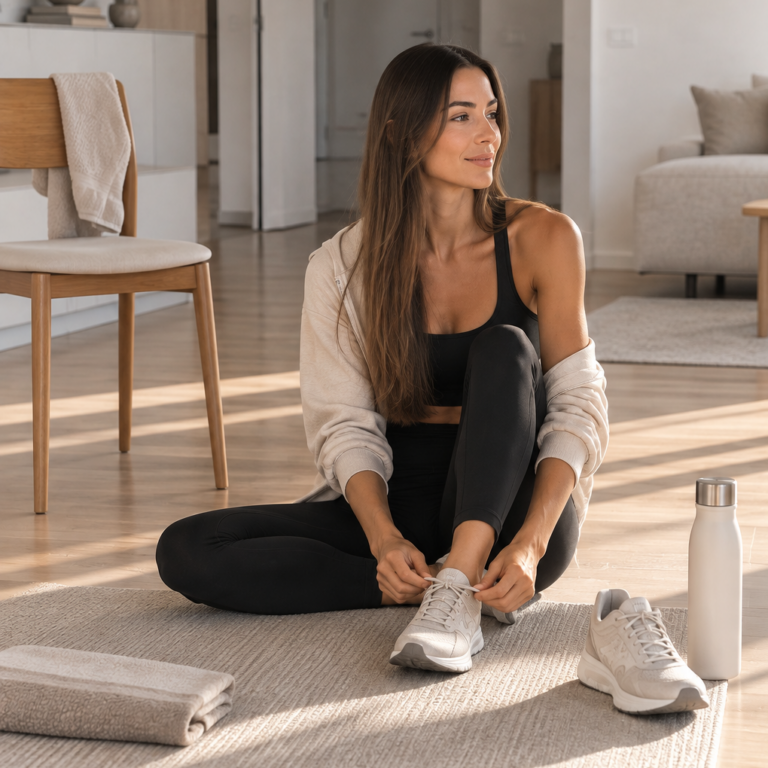
A Pilates Body Plan is a realistic movement routine built around Pilates, walking, basic strength work, posture, and repeatable food habits—not expensive reformer memberships or a promise of one specific body shape. Pilates can support balance, posture, strength, flexibility, and body awareness, while regular resistance training and aerobic movement support broader fitness. This plan helps you create a polished, strong, consistent routine at home or in a low-cost gym, even with a full-time job and limited budget. Start with two short Pilates sessions, regular walks, and one simple food-prep habit. Build consistency first, then adjust your plan around your energy, schedule, and goals.
What a Pilates Body Plan Actually Means
A Pilates Body Plan is a practical weekly structure for building strength, mobility, posture, and a more maintained feeling in your body through consistent movement.
It is not a promise that Pilates will give every person the same figure. Bodies respond differently to exercise because genetics, current fitness, nutrition, sleep, stress, age, health conditions, and training history all matter. You do not need to chase a celebrity silhouette or spend hundreds of dollars each month on boutique classes to benefit from Pilates-inspired training.
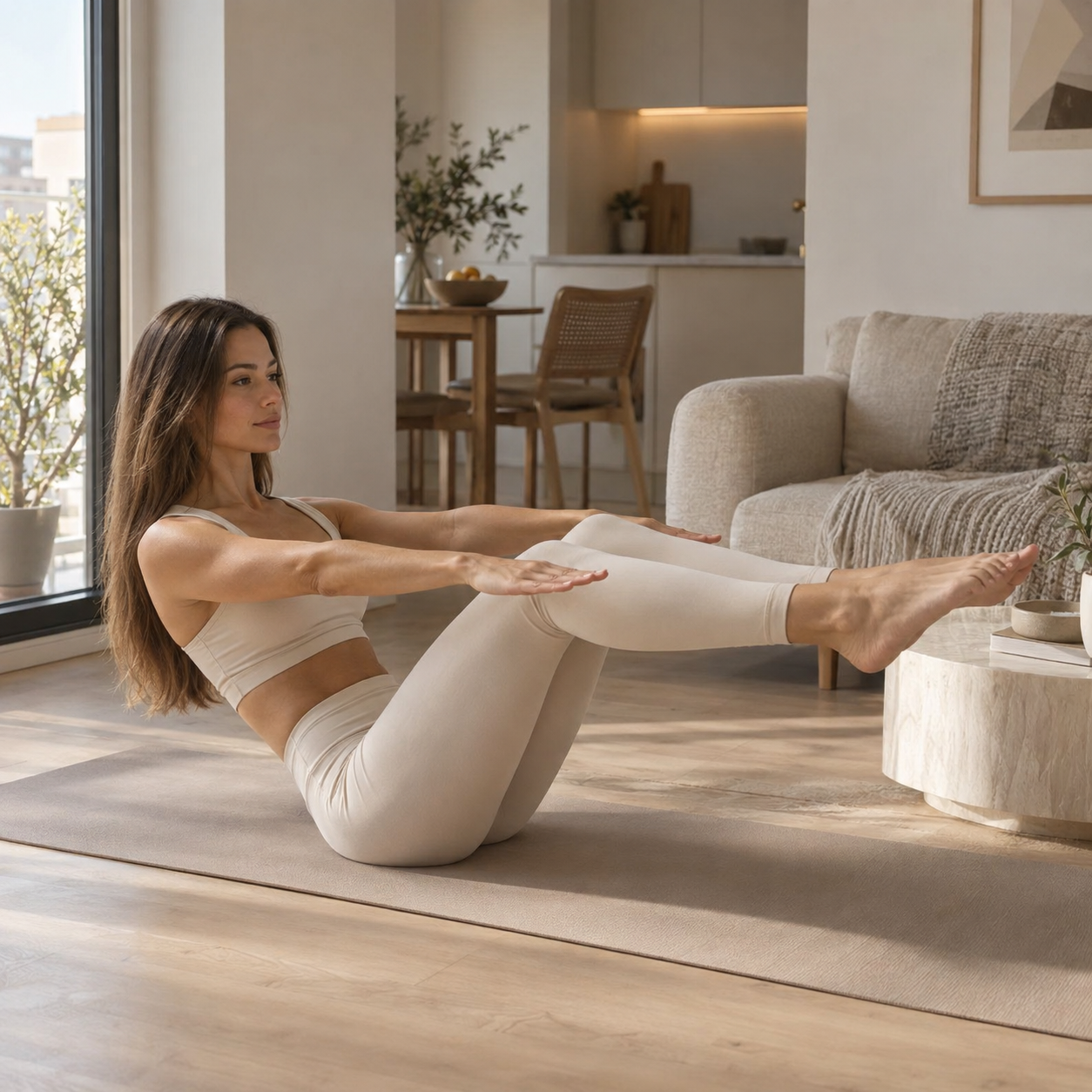
Pilates is a form of exercise that commonly focuses on balance, posture, strength, flexibility, controlled movement, and body awareness. The NHS describes Pilates as suitable for people of different ages and fitness levels, with a focus on balance, posture, strength, and flexibility.
The polished result most women want is usually not “perfect.” It is feeling stronger in your clothes, standing taller, moving with more control, having a routine you can sustain, and caring for your body without turning exercise into punishment.
I think the best Pilates routine is the one you can still do during a difficult week.

What Pilates Can and Cannot Do
Pilates can support strength, mobility, balance, posture, and controlled movement. It can be a useful part of a fitness routine for beginners, people returning to exercise, home exercisers, and anyone who prefers low-impact training.
It cannot spot-reduce body fat from your waist, arms, thighs, or stomach. It cannot permanently change your bone structure. It cannot guarantee weight loss, a flat stomach, or a specific “Pilates body.”
That does not make Pilates less useful. It simply puts it in the right place.
A good Pilates Body Plan combines several realistic supports:
- Pilates for core control, mobility, posture, coordination, and body awareness
- Walking or other aerobic movement for regular activity and endurance
- Basic resistance training for overall strength and muscle function
- Filling meals and food routines that make your energy more stable
- Sleep, rest, and recovery habits that make consistency easier
- A simple weekly plan that fits your actual life
For healthy adults, physical activity guidance commonly recommends both aerobic activity and muscle-strengthening work. The American College of Sports Medicine notes that adults benefit from regular aerobic activity and muscle-strengthening activities involving major muscle groups on at least two days per week.
The point is not to do everything perfectly. The point is to create a routine that does not collapse every time your week gets busy.
Why Pilates Works Well for a Polished Routine
Pilates is especially useful for women who want a calmer, lower-impact way to build movement into their week.
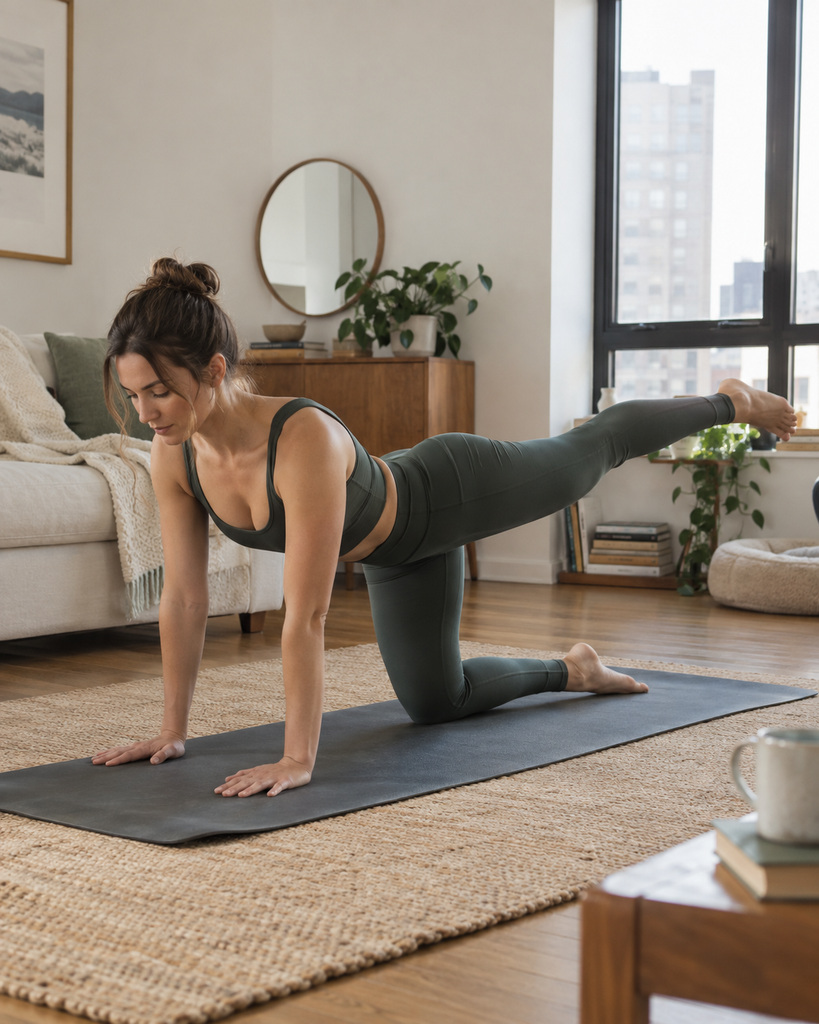
Many people begin with Pilates because it feels more approachable than a loud gym floor, high-impact cardio class, or strict transformation plan. You can do it in a small apartment. You can often do it with a mat, towel, chair, or a small clear space on the floor. You can choose a 10-minute session on a tired evening instead of deciding that movement only counts if it becomes a full workout.
Pilates also encourages control. You pay attention to breathing, alignment, tempo, and the way your body feels during movement. That can make your routine feel more deliberate and less chaotic.
A 2016 study involving sedentary young women found improvements in measures including flexibility, balance, core and abdominal muscle strength, and body awareness after a once-weekly Pilates program. The study does not mean once per week is ideal for every goal, but it supports the practical idea that beginning with a manageable frequency can still be meaningful.
A Pilates Body Plan should make your life feel more supported, not more demanding.
Find Your Pilates Starting Routine
Choose your available time and current energy level. Your result suggests a realistic starting structure, not a fitness diagnosis or promised outcome.
Build Your Pilates Body Plan in Five Steps
A good plan starts with the smallest version you can maintain. Your routine can grow after it becomes normal.
Step 1: Choose Two Pilates Sessions Per Week
Two Pilates sessions per week are a practical starting point for many beginners.
Choose two days that are easy to remember. You might do Tuesday and Saturday. You might choose Wednesday after work and Sunday morning. You might do Monday before your shower and Friday after work.
The exact days matter less than making the sessions specific.
A beginner Pilates session can be 10 to 30 minutes. Look for beginner-focused instruction that uses clear modifications and does not pressure you to push through pain. Start with foundational movements, comfortable ranges of motion, and a pace that lets you pay attention to technique.
If you are returning after a long break, begin with one session. Add the second session after you prove to yourself that the first one fits your week.
For a detailed beginner schedule, read The Rich girl Body Pilates Plan: A Beginner-Friendly Weekly Routine.
Step 2: Add Walking for Everyday Movement
Walking is one of the simplest ways to make your fitness routine more consistent.
Pilates can be your focused training time, while walking can help you build a regular movement habit around work, errands, phone calls, commuting, or a post-dinner reset. You do not need to turn every walk into an intense fitness event.
Try one of these options:
- A 10-minute walk after lunch
- A short walk before work
- A walk while listening to a podcast
- A walk after dinner
- A longer weekend walk with a friend
- A few extra minutes of walking during errands
Your walking plan should be flexible. A five-minute walk still counts on a difficult day. The purpose is to reduce the gap between “I am not exercising” and “I am someone who moves regularly.”
For a simple place to begin, read The High-End Body Walking Plan: A Beginner-Friendly Routine for Everyday Fitness.
Step 3: Include Basic Strength Work
Basic strength work helps create a more balanced Pilates Body Plan.
Pilates can challenge your muscles, especially when you are new to it, but if your goal includes building more overall strength, muscle function, or a visibly stronger look, add simple progressive resistance work over time.
The American College of Sports Medicine’s 2026 position stand found that resistance training improves muscle strength, size, power, endurance, balance, and physical function compared with doing no resistance training. It also emphasizes that regular participation matters more than chasing a perfect one-size-fits-all program.
You do not need heavy weights on day one. You can start with bodyweight or affordable equipment.
Try a simple beginner strength circuit one or two times per week:
- Sit-to-stands from a chair
- Wall push-ups
- Glute bridges
- Supported rows with a resistance band
- Step-ups on a stable step
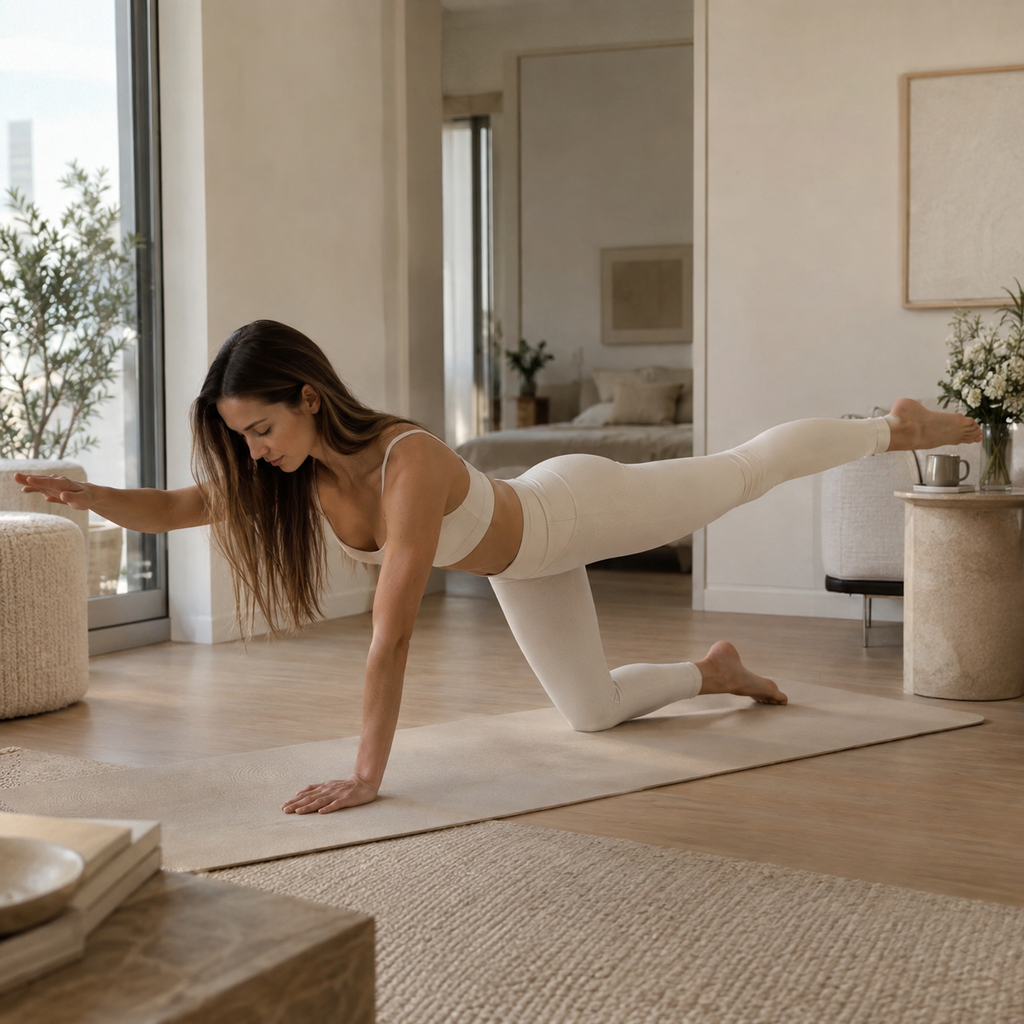
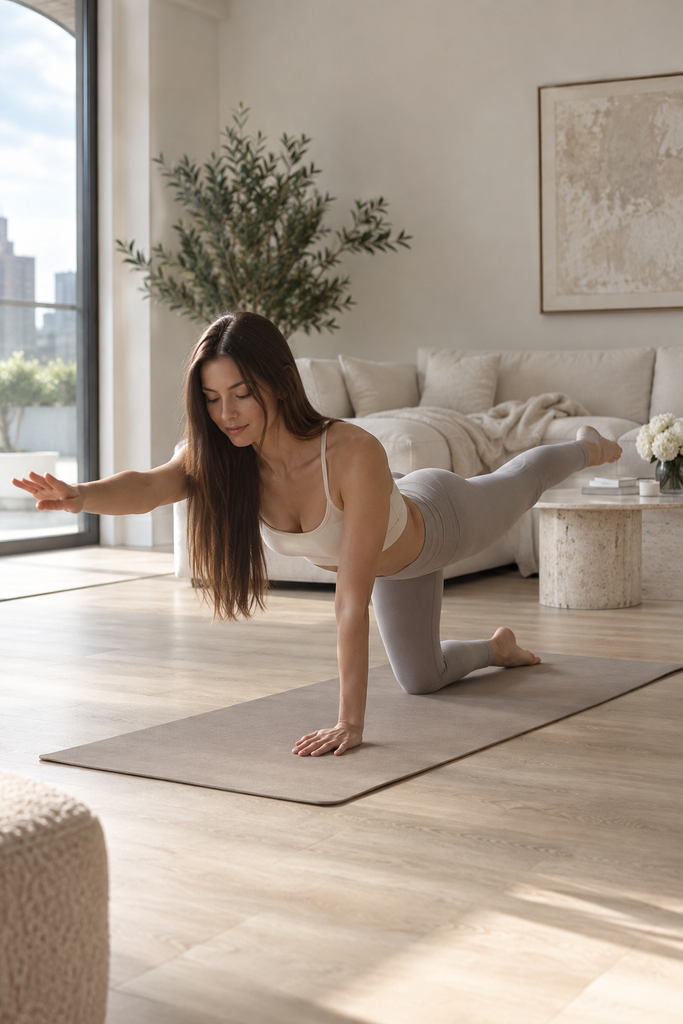
- Dead bugs or bird dogs
- Carrying grocery bags with good posture
Use slow, controlled movement. Stop if you experience sharp pain, dizziness, chest pain, or unusual shortness of breath. If you have an injury, medical condition, are pregnant, are returning after surgery, or have concerns about starting exercise, talk with a qualified clinician or physiotherapist before beginning.
For quiet home options, read Rich Girl Pilates at Home: A Low-Cost Routine for Strength, Mobility and Posture.
Step 4: Make Food Support Your Energy
A Pilates Body Plan does not require detoxes, starvation, expensive powders, or an all-or-nothing meal plan.
Your food routine should make it easier to show up for your day. That often means planning filling meals, keeping easy options available, and reducing the number of urgent food decisions you need to make when you are tired.
A practical starting structure can include:
- A protein source at meals and snacks
- Fruit or vegetables you actually enjoy eating
- Carbohydrates that support energy, such as oats, rice, potatoes, bread, pasta, beans, or fruit
- Fats that help meals feel satisfying, such as nuts, seeds, olive oil, avocado, cheese, or yogurt
- Water and regular meals that work with your work schedule
You do not need to eat perfectly. You need a routine that makes it easier to avoid skipping meals, arriving home overly hungry, and treating one restaurant meal as a reason to quit your plan.
For affordable meal ideas, read Cheap High-Protein Meals: 25 Easy Ideas for a Pilates Body Routine.
Note: This article is for general lifestyle information, not medical, mental-health, or financial advice. If you are pregnant, have a medical condition, are recovering from an injury or surgery, have a history of disordered eating, or are worried about your relationship with food, exercise, or body image, speak with a qualified professional.
Step 5: Use Posture and Recovery as Part of the Plan
Posture and recovery are not optional extras. They are part of the routine that helps movement feel better and more sustainable.
Pilates often places attention on alignment, breathing, controlled movement, and awareness of how you hold yourself. You do not need to force a rigid posture all day. You can simply create small reminders to move, change position, relax your shoulders, stand up from your desk, and avoid staying in one position for hours.
Recovery can look like:
- Going to bed at a realistic time
- Taking a rest day after several demanding days
- Choosing a gentle mobility session instead of forcing an intense workout
- Eating enough to support your day
- Wearing supportive shoes for walking
- Taking a short break from your desk
- Using a warm shower or light stretching as an evening reset
A polished routine is not one that leaves you constantly sore, underfed, and exhausted. It is one that helps you feel capable of showing up again.
For posture-focused support, read The High-End Body Posture Routine: Simple Daily Habits for Standing Taller and Feeling Stronger.
A Realistic Weekly Pilates Body Schedule
A weekly Pilates Body Plan is a repeatable rhythm, not a seven-day punishment schedule.
Use this sample as a starting point. Adjust the days to your work hours, childcare, commute, energy, and access to space.
| Day | Main Focus | Simple Version |
|---|---|---|
| Monday | Short walk and mobility | 10-minute walk plus five minutes of stretching |
| Tuesday | Pilates | 20-minute beginner Pilates session |
| Wednesday | Walking | Walk during lunch or after work |
| Thursday | Basic strength | 20 minutes of bodyweight or resistance-band work |
| Friday | Pilates | 20-minute beginner Pilates session |
| Saturday | Longer movement | A longer walk, home workout, or enjoyable activity |
| Sunday | Recovery and planning | Gentle mobility, meal prep, and scheduling movement |
This schedule has movement variety without requiring an expensive class schedule. It also includes recovery and an adaptable weekend option.
If your week is busy, use the minimum version:
- Two 10-minute Pilates sessions
- Three short walks
- One five-minute mobility reset
- One basic food-prep action
- One rest day with no pressure to “make up” missed workouts
That is still a routine. Consistency does not become more valuable only when it is complicated.
Pilates at Home vs. Reformer Classes vs. the Gym
The best option is the one you can afford, access, and enjoy consistently.
| Option | Best for | Main advantage | Main limitation | Low-cost approach |
|---|---|---|---|---|
| Pilates at home | Beginners, busy women, small budgets | Low cost, flexible timing, private | Requires self-direction and safe instruction | Use a mat or towel and beginner videos |
| Reformer Pilates classes | People who enjoy coached sessions and can afford them | Equipment, instruction, class structure | Can be expensive and location-dependent | Use occasional classes as a supplement, not a requirement |
| Gym-based routine | People who want broader strength options | Access to machines, weights, and cardio equipment | Membership cost and travel time | Use a low-cost gym or community facility |
| Walking plus home strength | Tight budgets and unpredictable schedules | No class timetable, easy to scale | Can feel less exciting at first | Use walking, bodyweight moves, and resistance bands |
Do not choose a routine because it looks impressive online. Choose the one that works with your money, work schedule, transport, home space, and energy.
A woman who can walk regularly, complete two home Pilates sessions, and do simple strength work is building a more useful foundation than someone paying for an expensive plan she cannot realistically maintain.
What to Buy for a Pilates Body Plan
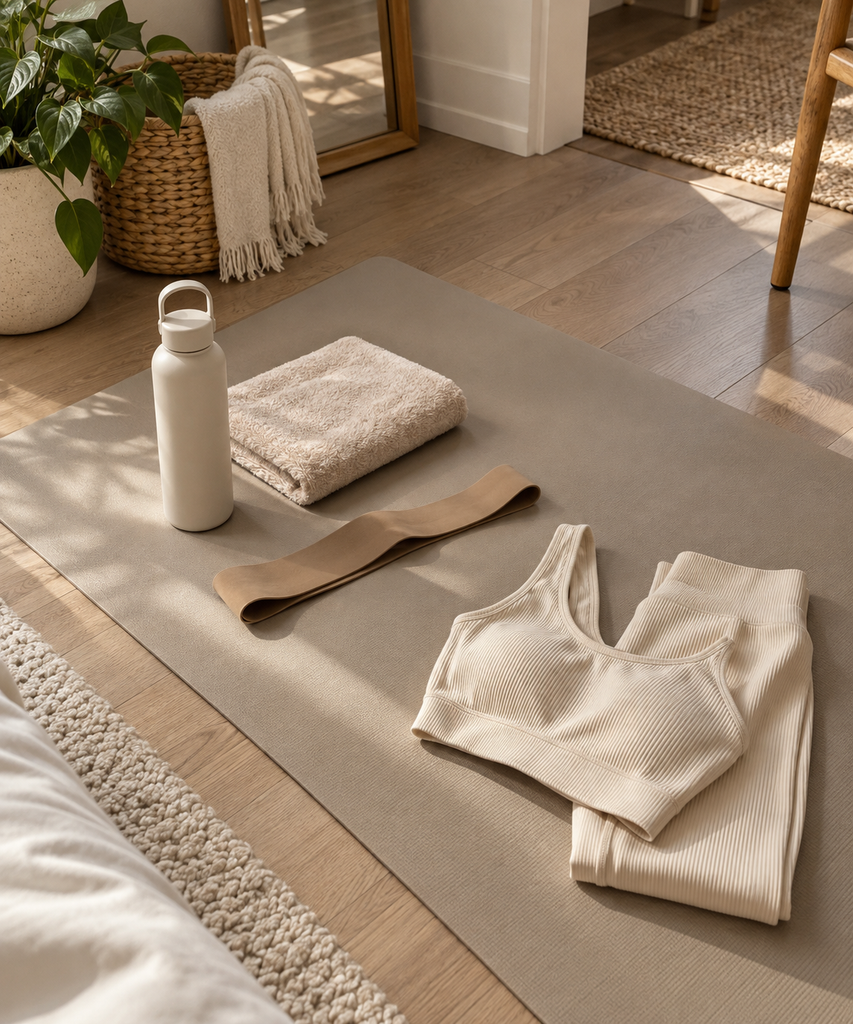
You can begin with no equipment. A small investment can make your home routine more comfortable, but no item is required for your body to benefit from regular movement.
Start with what you already have:
- A carpeted floor
- A folded towel
- Comfortable clothes that allow movement
- A stable chair
- A water bottle
- A clear area near a wall for balance support
If you want to add low-cost equipment later, prioritize comfort and versatility.
| Product |
|---|
| Non-slip exercise mat |
| Light resistance band set |
| Pilates mini ball |
| Supportive walking shoes |
| Reusable water bottle |
Do not buy everything at once. Use your routine for a few weeks before deciding what would genuinely make it easier. A mat may be helpful if the floor hurts your knees. Resistance bands may be useful if you want more strength options. A reformer is never a requirement for building a consistent movement habit.
For a no-equipment starting point, read The $0 Pilates Body Workout Plan: Move More Without Buying Equipment.
Common Pilates Body Plan Mistakes
The most common mistake is treating Pilates as a fast transformation promise instead of a practice.
You may see before-and-after videos, strict “Pilates girl” routines, expensive matching sets, and messages that suggest you need a reformer, green juice, tiny meals, and unlimited time to look polished. You do not.
Avoid these habits:
- Starting with daily workouts that do not fit your current life
- Ignoring pain because you think discomfort proves you are working hard
- Skipping meals to create a faster visual result
- Doing only core exercises and expecting full-body strength
- Comparing your body to instructors, influencers, or edited content
- Buying expensive equipment before you have built a habit
- Treating a missed session as a reason to quit for the week
- Forgetting that walking, food, rest, and strength work support the bigger routine
Your plan should feel supportive enough to continue. You can challenge yourself gradually without making movement something you dread.
How to Keep Your Pilates Routine During Busy Weeks
Busy weeks are where a realistic plan proves its value.
Instead of asking, “Can I complete my ideal routine?” ask, “What is the smallest version of my routine that still helps me feel like myself?”
Your busy-week Pilates Body Plan could be:
- One 10-minute Pilates session
- Two walks around the block
- Five minutes of mobility before bed
- One grocery shop or meal-prep task
- A refillable water bottle kept near your workspace
- A decision to restart the next day instead of waiting for Monday
This approach protects your self-trust. You are not trying to win a perfect week. You are trying to remain connected to the habits that make your life feel more stable.
For movement ideas after a demanding workday, read The After-Work Pilates Body Routine: How to Move When You Feel Tired.
My Pilates Body Week
Check off the actions you complete. This checklist supports consistency and does not store health, body, or personal information.
Build Your Pilates Body Plan With Consistency
A Pilates Body Plan works best when it becomes part of your normal life rather than a temporary project.
You do not need reformer classes, expensive activewear, a strict meal plan, or hours of free time. You need a realistic structure: a few Pilates sessions, regular walking, basic strength work, enough food to support your day, and recovery habits that help you return to the routine.
Start with the version that fits your current life. Two short Pilates sessions and a few walks can be enough to create momentum. Add strength work and longer sessions gradually as your confidence and capacity grow.
The goal is not to earn a certain body type. The goal is to create a strong, polished, well-supported routine that feels possible on your actual budget and schedule.
FAQ
Can you get a Pilates body from doing Pilates at home?
You can build strength, mobility, balance, posture awareness, and consistency through Pilates at home. You do not need reformer classes for Pilates to be useful. Home Pilates can be especially practical for beginners, busy women, and people working with a limited budget. Your results will depend on your starting point, the type and frequency of training, your overall activity, food habits, sleep, stress, and health. Pilates alone does not guarantee one specific body shape or spot-reduce body fat. A balanced routine can include home Pilates, walking, basic resistance training, and filling meals that support your energy and recovery.
How many days a week should I do Pilates?
Many beginners can start with two Pilates sessions per week and build from there. This gives you time to learn movements, notice how your body feels, and create a routine that fits your schedule. Some people enjoy three or more sessions each week, especially when sessions vary in length and intensity. More is not automatically better if the routine becomes difficult to sustain. You can combine Pilates with walking, strength work, rest, and other enjoyable movement. If you are new to exercise, returning after injury, pregnant, or managing a health condition, speak with a qualified clinician or instructor for individualized guidance.
Is Pilates enough for strength training?
Pilates can challenge muscles and improve control, especially for beginners, but it may not provide the same progressive resistance stimulus as a structured strength-training program. If your goal includes developing more overall strength and muscle function, add bodyweight exercises, resistance bands, machines, dumbbells, or other progressive resistance work. The American College of Sports Medicine recommends muscle-strengthening activities involving major muscle groups on at least two days each week for healthy adults. Pilates and strength training can work well together. Pilates can support mobility, core control, and movement quality, while strength work can build broader capacity for everyday tasks and fitness goals.
Do I need a reformer to start Pilates?
No, you do not need a reformer to start Pilates. A mat, carpeted floor, folded towel, stable chair, and a small clear space can be enough for a beginner routine. Reformers offer resistance, support, and variety, and some people enjoy the coaching structure of studio classes. They are not a requirement for building a consistent Pilates habit. Start with the resources you can access comfortably. After several weeks, assess what would make your routine easier or more enjoyable. A non-slip mat or light resistance band may be a more useful first purchase than expensive equipment or a long studio contract.
Can Pilates help me lose weight?
Pilates can be part of a weight-management routine because it supports regular movement and may help you build strength, mobility, and consistency. It does not guarantee weight loss, and it does not target fat loss in a specific area. Body-weight changes are influenced by many factors, including food intake, activity, sleep, stress, health conditions, medications, and individual biology. Avoid extreme dieting, punishing workouts, or using exercise to compensate for eating. A more sustainable approach is to build filling meals, regular movement, realistic strength work, walking, and recovery into your week. Speak with a qualified professional if weight or body image concerns feel distressing.